

Maximizing Energy Savings: How Air Curtains Boost ROI for Commercial Spaces
Mitzvah Team
Published: June 15, 2026Updated: June 15, 2026
Explore how air curtains reduce energy costs in commercial buildings, with real-world examples and actionable tips to maximize your return on investment through smart installation and usage strategies.
Most business owners know the painful sight of the monthly utility bill arriving, especially when running a bustling commercial space with doors swinging open all day. No surprise that energy costs can eat right into the bottom line. But what if a simple upgrade could dramatically tilt those numbers in your favor? Enter the world of air curtain energy saving ROI yes, those sleek devices quietly working above your entryways are unsung heroes of energy efficiency. This article unpacks how air curtains not only slash energy bills but also turn into a smart investment for any commercial property.
Why Air Curtain Energy Saving ROI Matters for Your Business
From corner coffeehouses to sprawling shopping centers, every commercial space depends on reliable indoor comfort. But comfort comes at a cost, especially when the doors are always moving. The simple act of opening a door releases conditioned air, letting the outside weather creep in. Over time, this translates to overworked HVAC systems and rising utility expenses.
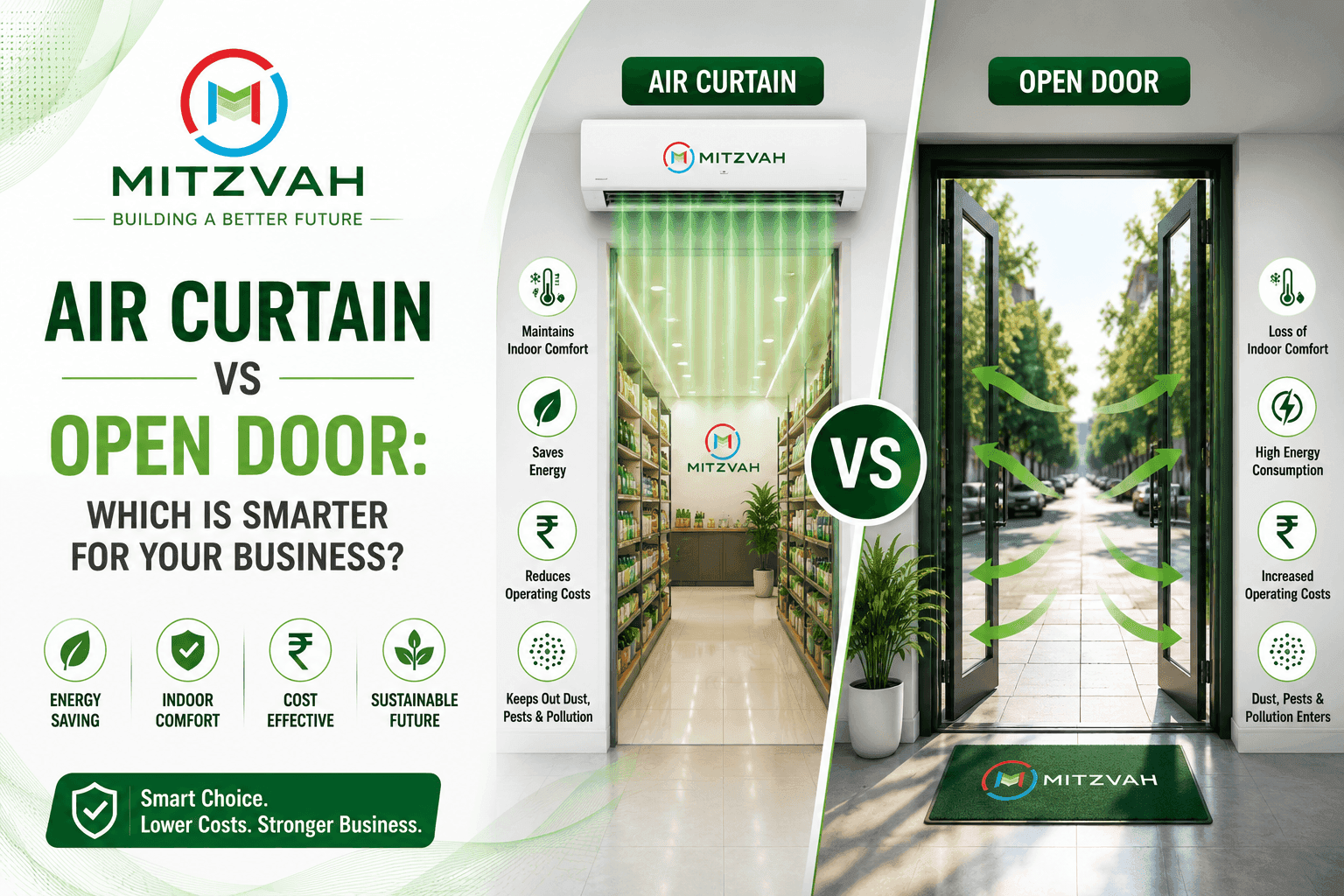
Here's where air curtains step in. By creating an invisible barrier, they keep chilled or heated air indoors while deterring dust and pollution. Think of them as your business's silent guardians protecting climate comfort, customer satisfaction, and your monthly budget. Whether you’re concerned about minimizing commercial air curtain operating costs or maximizing overall building efficiency, these devices offer concrete, everyday benefits.
How Much Energy Does an Air Curtain Save Per Day?
Let’s talk numbers. If you’re wondering “how much energy does an air curtain save per day?”, studies and case reports provide some compelling evidence. On average, a properly-sized air curtain can reduce energy loss through open doorways by up to 80% compared to an unprotected entrance. For a typical medium-sized retail space, this can mean saving anywhere from 3-10 kWh per day enough to make a visible dent in your utility bill.
To put it simply: less wasted energy equals lower operating costs. Plus, it cuts down the wear and tear on your HVAC system, unlocking even bigger air curtain energy saving ROI over the long haul.
The Real-World Benefits: Air Curtain Energy Efficiency in Action
You don’t have to look far to see commercial air curtain benefits in real life. Take the example of a bakery with a constant flow of customers. By installing air curtains above both the front entrance and delivery doors, energy usage related to climate control dropped by 15%. Even better, the staff reported fewer cold drafts, and goods stayed fresher due to reduced outside air infiltration.
Similarly, large retail stores that welcome hundreds of people daily often run air curtains for year-round performance. Their air curtain operating costs are offset by consistent energy savings, reduced cleaning requirements, and improved customer comfort creating a cycle of savings and happy shoppers.
Understanding Energy Cost: A Simple Energy Cost Calc Table
It’s helpful to get a quick snapshot of what these savings look like. While each business is unique, here’s a basic energy cost calc table for air curtain use in a medium-sized store:
Scenario | Average Daily HVAC Cost (No Curtain) | Average Daily HVAC Cost (With Curtain) | Energy Saved / Day | Estimated $ Savings (Per Month) |
|---|---|---|---|---|
Main Entry | $20 | $16 | 6 kWh | $60-80 |
Service Entrance | $15 | $12 | 4 kWh | $35-50 |
Multiply this by several doors or larger spaces, and you’re looking at hundreds—if not thousands—of dollars saved per year. Those numbers are hard to ignore when evaluating air curtain energy saving ROI.
Practical Tips: Maximizing Air Curtain Energy Efficiency
Installing an air curtain is only half the equation. To get the most out of your investment and optimize air curtain operating costs, keep these practical tips in mind:
Right-sizing matters: Make sure the air curtain fits the height and width of your entry or service door. Undersized units leave gaps, while oversized ones may use more electricity than necessary.
Integrate with door sensors: Set your air curtain to run only when doors are open, ensuring efficiency and extending the unit’s lifespan.
Regular maintenance: Clean intake screens and check fan motors every few months. Debris buildup lowers performance and can chip away at your energy savings.
Small tweaks here and there will keep your air curtain operating smoothly, further improving its ROI for your commercial space.
What to Look For: Buying Guide for Commercial Air Curtains
Ready to invest? Knowing what to look for can be the difference between meaningful energy savings and disappointment. Here are a few essentials before making your purchase:
Energy ratings: Check for certified energy efficiency labels. A high-performing curtain may cost more, but will save more in the long run.
Air velocity: Match the device's output to the specifics of your entryway’s height and draft conditions for best results.
Quiet operation: Choose models with noise ratings that won’t distract staff or customers, especially in hospitality and retail settings.
For an extra edge, look for features like adjustable speeds and intelligent controls. And if sustainability is a key concern, filter for units made with environmentally-friendly materials or advanced low-energy motors.
Conclusion: Make Comfort Pay Off
Air curtains quietly deliver significant savings lower energy bills, reduced equipment strain, and happier customers. When you factor in the favorable air curtain energy saving ROI, the case for installation gets even stronger. Whether you manage a boutique, own a café, or oversee a large warehouse, a well-selected, properly-installed air curtain could be your next strategic advantage.
Ready to lower costs and boost comfort? Take a closer look at your entryways, consider your unique usage patterns, and talk with a trusted supplier about finding the air curtain that fits your needs. A smarter, more sustainable workspace might just be a breeze away.
FAQs
Air curtains create an invisible barrier that reduces the exchange of indoor and outdoor air, helping maintain temperature control. By minimizing the need for heating or cooling, they significantly cut down energy consumption, thereby boosting the return on investment (ROI) for commercial spaces.
Commercial air curtains offer numerous benefits, including reducing energy waste by maintaining a consistent indoor climate, lowering heating and cooling costs, and enhancing comfort for both employees and customers. This leads to substantial energy savings and improved operational efficiency.
You can use an energy cost calc table to estimate the savings. This involves comparing your current energy expenses with projected costs after installing an air curtain, taking into account factors like local climate, building occupancy, and hours of operation.
The amount of energy an air curtain saves per day depends on several factors, including the environment, usage, and building design. On average, air curtains can reduce energy consumption by up to 30%, providing noticeable savings in daily operating costs.
While there are initial costs associated with purchasing and installing air curtains, the operating costs are relatively low compared to the energy savings they offer. Over time, the savings on heating and cooling bills typically outweigh the installation and maintenance expenses, making them a cost-effective investment.
To maximize ROI, ensure proper installation and regular maintenance of air curtains. Additionally, integrate air curtains with your building's HVAC system for optimal performance and adjust settings according to seasonal changes and traffic patterns for enhanced energy efficiency.